Sustainable Styling – The Eco-Friendly Blueprint of Modern Textile Printing
INTRODUCTION
The global textile industry is currently facing a massive environmental reckoning. For decades, the rise of fast fashion and cheap, mass-produced home decor has relied on manufacturing processes that consume astronomical amounts of fresh water, toxic chemicals, and fossil fuel energy. As modern consumers become significantly more conscious of their environmental footprint, the global demand for sustainable alternatives has absolutely skyrocketed. People no longer just want to know how a fabric looks or how much it costs; they want to know where it came from, how it was made, and what ecological impact it leaves behind on our fragile ecosystems.
At Printed Looms, sustainability isn’t just a trendy marketing buzzword—it is a core pillar of our everyday operational philosophy. The calculated combination of digital printing technology and carefully sourced loomed textiles offers a remarkably eco-friendly blueprint for the future of interior design and fashion. Let’s pull back the curtain on why this modern engineering approach is a massive, measurable win for our environment and a path forward for clean design.
To truly understand the environmental benefits of digital textile printing, we have to look at the traditional manufacturing alternative: rotary screen printing. Traditional screen printing requires massive amounts of water to mix chemical dyes, prepare physical screens, and thoroughly wash out industrial equipment between every single color run and design change. It is an incredibly water-intensive process that frequently results in toxic, chemical-laden wastewater being dumped directly into local river systems and ecosystems, destroying marine life and contaminating drinking sources for nearby communities.
Digital printing operates much like the advanced inkjet printer you have in an office, just scaled up to a grand, industrial textile level. This technological shift completely redefines how resources are managed:
Precision Engineering: Micro-droplets of non-toxic ink are jetted with absolute mathematical precision directly onto the fabric exactly where the design requires it, using only the exact amount of pigment needed.
Zero Washouts Required: Because there are no physical screens to clean or massive dye vats to flush out between orders, digital printing reduces manufacturing water consumption by an astonishing 80% to 90% compared to traditional analog dyeing methods. This leaves local water tables clean and unburdened by industrial run-off.
The Drastic Reduction of Global Water Waste
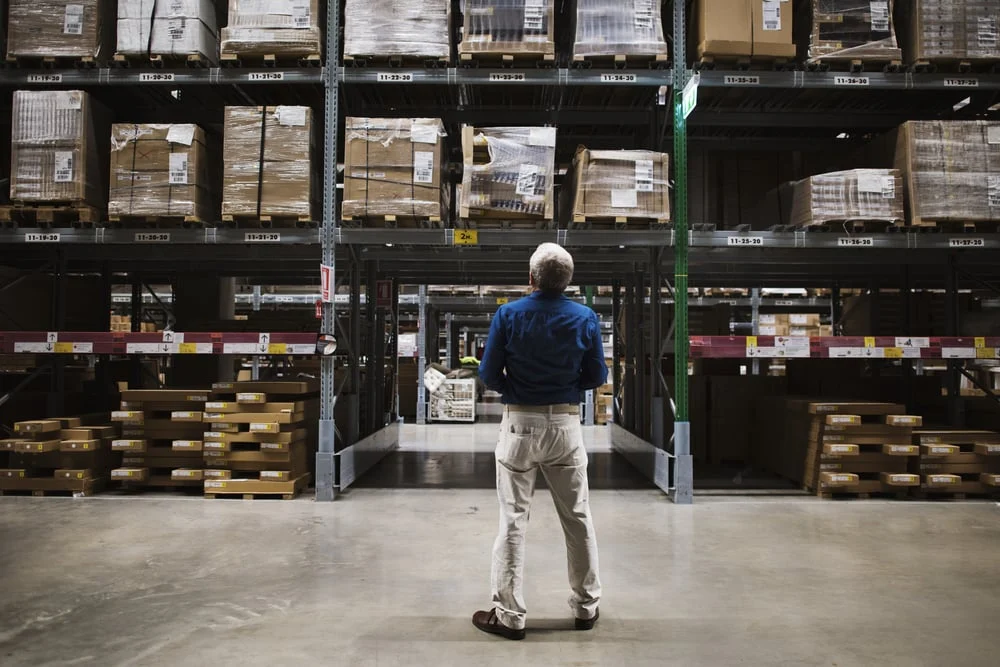
One of the dirtiest secrets of the modern design industry is the concept of “deadstock”—millions of yards of perfectly good fabric that end up sitting indefinitely in dusty warehouses or being burned in landfills simply because a manufacturer overestimated market demand. Traditional printing methods require massive minimum print runs (often thousands of yards per design) to justify the high physical cost and time of setting up the giant printing machines. This setup inherently leads to systemic, industry-wide overproduction and economic waste.
Digital printing completely dismantles this incredibly wasteful cycle through agile, on-demand production. Because a digital textile printer can switch from printing an intricate botanical design to an abstract geometric print instantly—without any physical machine teardown or screen changes—fabrics can be printed exactly as they are ordered by customers.
This micro-production framework means we only produce what is actually needed by the market. Retailers no longer need to guess trends six months in advance and over-order, virtually eliminating textile waste before it ever has a chance to accumulate in our global landfills.
The True Power of Natural Fibers and Non-Toxic Inks
The ultimate sustainability of a fabric is heavily dictated by its raw chemical components. Many cheap, mass-market retail fabrics are woven from synthetic polyesters, nylons, and acrylics. These materials are essentially petroleum-based plastics that shed millions of harmful microplastics into our water systems with every single wash cycle and take hundreds of years to decompose in a landfill.By pairing digital printing with traditional loomed textiles, there is a beautiful, natural affinity for high-quality, organic, and entirely renewable fibers:
Pure Cotton & Raw Linen: Cultivated responsibly, these plant-based fibers are fully biodegradable and offer incredible breathability and texture.
Natural Silk & Sturdy Wool: Animal-derived but harvested ethically, these fibers provide a luxury weight and lifespan that synthetics can never replicate.
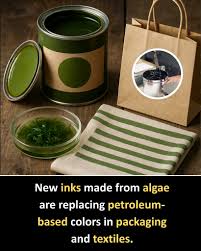
Furthermore, modern digital textile printing heavily utilizes water-based, non-toxic, and completely biodegradable inks. These eco-friendly pigments are entirely free from heavy metals, formaldehyde, and harmful alkylphenol ethoxylates (APEs). This makes the final product completely safe for your home environment, your pets, your family, and the planet at large.
Saying Goodbye to the "Deadstock" Warehouse Crisis
True sustainability cannot look at environmental factors alone; it must also encompass social and economic responsibility. Traditional mass-production often forces manufacturing into massive, under-regulated overseas factories to cut down on operational margins, often exploiting labor in the process.
However, because digital printing operates beautifully on an on-demand, flexible framework, it can easily be integrated into localized, boutique weaving mills. By keeping the foundational demand for physical loomed textiles high, we are directly funding the livelihoods of skilled weavers, artisans, and family-owned mills who keep generational crafts alive. This localized economic loop minimizes the massive carbon footprint associated with international shipping and container transport, while ensuring fair, ethical wages are paid across the entire production chain.
The Economic Impact:
Supporting Local Weaving Communities
Investing in True Longevity
Over Disposability
Ultimately, the truest and most impactful form of environmental sustainability is product durability. A premium product that lasts for decades in a home will always be significantly more eco-friendly than a cheap, disposable item that needs to be replaced every two years.
High-quality loomed fabrics possess an inherent, time-tested structural integrity. When these fabrics are treated with premium digital inks that cure deeply into the textile fibers—rather than sitting like a thick plastic layer on top—the result is a luxury product that actively resists fading, fraying, and wearing down over years of heavy use.
When you choose a beautifully crafted piece from Printed Looms, you are making a conscious decision to step off the carousel of disposable consumerism. You are investing in an heirloom-quality textile designed to stand the test of time, proving that high design and deep environmental respect can weave a cleaner, greener future together.
Frequently Asked Questions (FAQs)
Q1. How does digital textile printing save water compared to traditional printing?
Traditional rotary screen printing requires massive amounts of water to mix dyes, prepare screens, and flush out industrial vats between design changes. Digital printing works like a high-tech inkjet printer, jetting micro-droplets of ink directly onto the fabric with absolute precision. Because there are no screens or vats to clean, it reduces manufacturing water consumption by 80% to 90%.
Q2. What is "deadstock," and how does Printed Looms eliminate it?
“Deadstock” refers to millions of yards of leftover fabric that sit in warehouses or end up in landfills because traditional manufacturers have to print huge minimum orders to justify setup costs. At Printed Looms, we use on-demand digital production. We print fabrics exactly as they are ordered, meaning we only produce what the market actually needs, virtually eliminating overproduction waste.
Q3. Are the inks used in digital printing safe for homes and pets?
Yes, absolutely. We use modern, water-based, non-toxic, and completely biodegradable inks. Unlike traditional industrial dyes, these eco-friendly inks are entirely free from heavy metals, formaldehyde, and harmful alkylphenol ethoxylates (APEs), making them completely safe for your family, pets, and the planet.
Q4. Why are natural loomed fibers better than synthetic fabrics?
Many cheap mass-market fabrics are made from synthetic polyesters (which are essentially petroleum-based plastics) that shed harmful microplastics into our water systems. By pairing digital printing with traditional loomed textiles, we utilize pure, renewable, and biodegradable natural fibers like cotton, linen, silk, and wool that have a much lower environmental footprint.
Q5. How does choosing sustainable textiles support local communities?
Because our digital printing operates on an agile, on-demand framework, it easily integrates with localized, boutique weaving mills. Instead of outsourcing mass production to giant overseas factories, we directly support skilled local weavers and artisans, helping preserve generational crafts while minimizing the carbon footprint caused by international shipping.