
Sustainable Styling: The Eco-Friendly Blueprint Behind Every Printed Looms Kurti
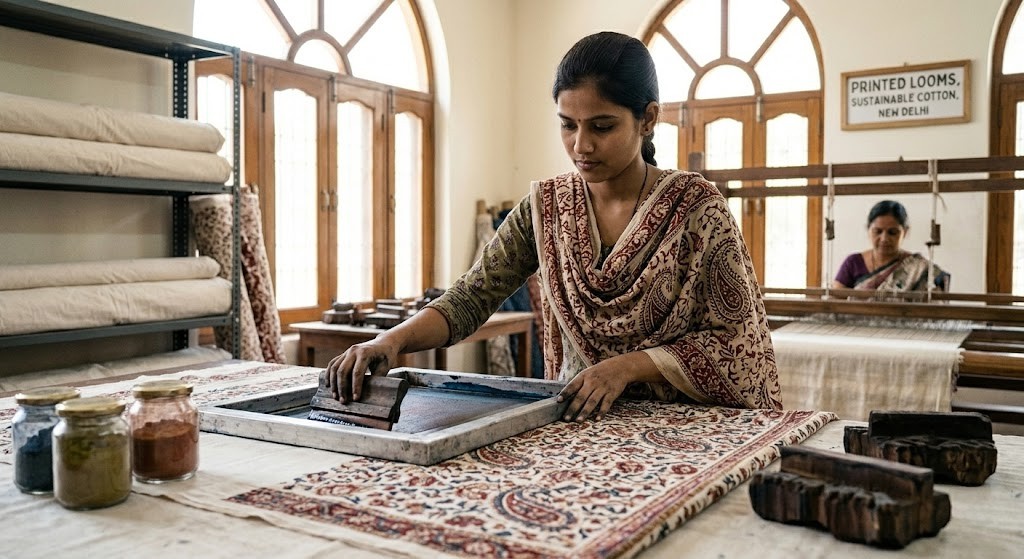
INTRODUCTION
Fast fashion has a water problem. A single cotton garment can take thousands of litres of water to produce using traditional dyeing methods, and a lot of that water — loaded with chemical dye runoff — ends up untreated in rivers near manufacturing hubs.
As more shoppers start asking where their clothes actually come from, sustainable cotton kurti fabric has gone from a niche concern to something people genuinely
factor into a purchase.
At Printed Looms, we print our kurtis using digital textile printing instead of traditional rotary screen printing. This isn't a marketing line — it's the actual process behind the fabric you're wearing. Here's what that process looks like, and why it leaves a smaller footprint than the kurtis you'll find at a typical fast-fashion store.F
Why Digital Printing Uses Far Less Water
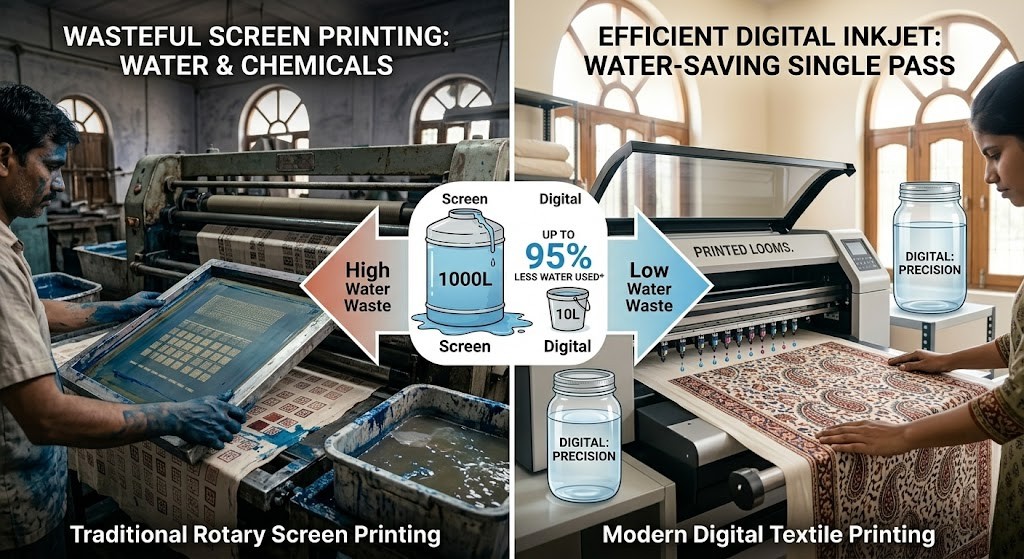
Traditional rotary screen printing needs water at almost every stage to mix dyes, prepare printing screens, and wash equipment between every colour and design change.
Multiply that across thousands of kurtis a season, and the water cost adds up fast, often with chemical-laden wastewater flowing straight into local water bodies. Digital printing works more like a large-scale version of an office inkjet printer. Two things make the difference:
Precision dosing — ink is jetted in micro-droplets exactly where the design needs it, so there's no excess pigment to wash away.
No washouts between runs — since there are no physical screens or dye vats to clean out between orders, water use during printing drops sharply. Industry estimates put the reduction at roughly 80-90% compared to conventional dyeing, though the exact number depends on the specific setup and fabric.
For us, this means choosing a sustainable cotton kurti fabric ensures your outfit goes through a printing process that simply asks less of local water systems."
No Deadstock, No Overproduction
One of the textile industry's least-talked-about problems is "deadstock" — fabric that's printed in bulk, doesn't sell, and ends up sitting in a warehouse or getting discarded.
This happens because traditional printing requires large minimum print runs to justify the cost of setting up machines, so brands print more than they need and hope demand catches up.Digital printing removes that pressure.
A printer can switch from one kurti design to the next without any physical teardown, which means fabric can be printed closer to actual order volume instead of a guessed-at forecast. At Printed Looms, this is part of why we can offer a wider range of prints without holding onto unsold stock that eventually goes to waste.
What the Fabric Itself Is Made Of
Sustainability isn't only about the printing process — it's also about what's in the fabric.
A lot of inexpensive, mass-market kurtis use synthetic fabric blends made from polyester or acrylic, which are petroleum-based and shed microplastics with every wash. These fabrics can take decades to break down once discarded.
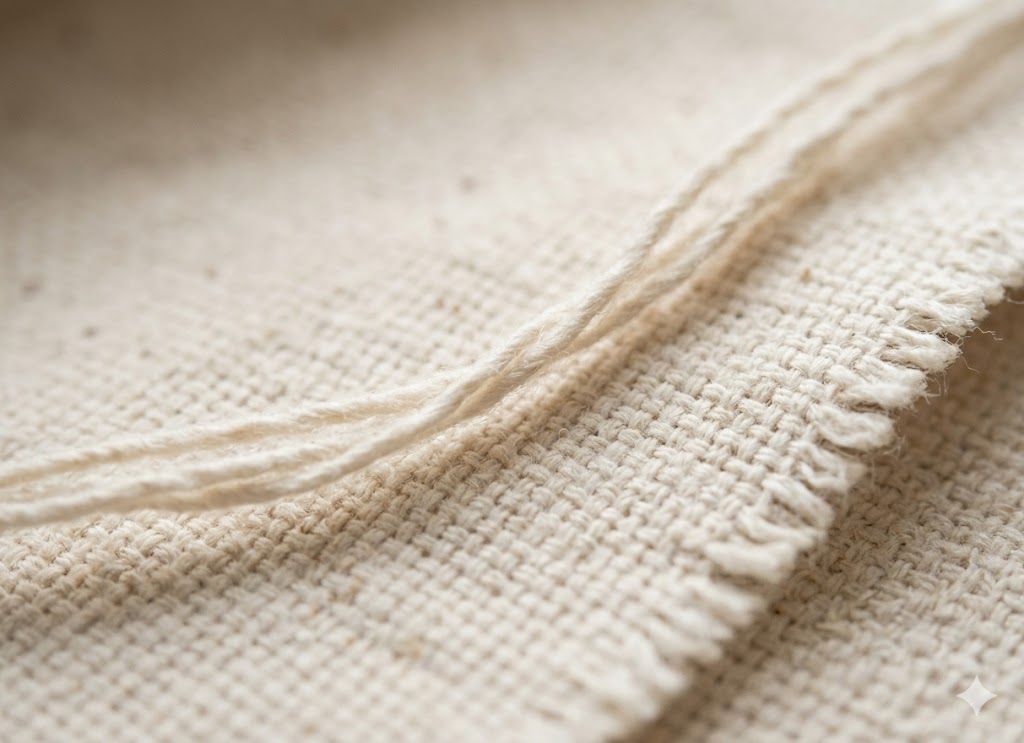
We work primarily with pure cotton — a renewable, biodegradable fibre that's also simply more comfortable to wear through a Delhi summer or a long workday. The inks used in digital printing are water-based and don't rely on heavy metals or formaldehyde, which matters both for the environment and for anyone with sensitive skin wearing the fabric directly against their body all day.

Supporting Local Weavers and Fabric Mills
Sustainability isn't just an environmental question — it's an economic one too. Large-scale manufacturing often moves production overseas to cut costs, which weakens local weaving communities that have done this work for generations.
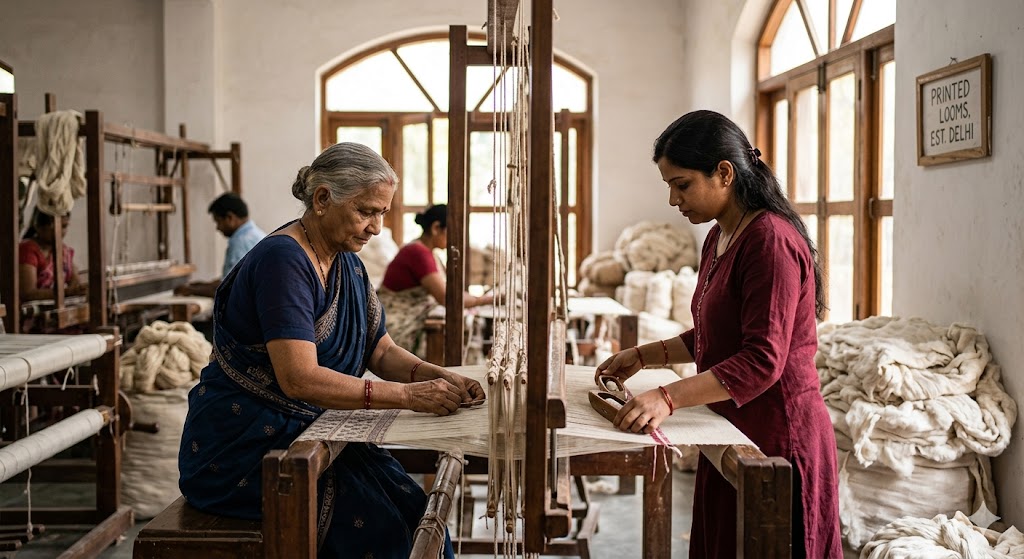
Because digital, on-demand printing doesn't need the massive scale that traditional printing does, it's easier to work with smaller, local mills and weavers rather than only
large overseas factories.
Keeping that demand local helps sustain the people and family-run mills who actually make the fabric, while also cutting down on the shipping distance — and the emissions that come with it — between where the sustainable cotton kurti fabric is crafted and where it reaches you.
Why We'd Rather You Buy One Kurti That Lasts
The most overlooked form of sustainability is simply durability. A kurti that holds its shape, colour, and stitching for a few years is a better environmental choice than five kurtis that fade or fall apart within a season and get thrown out.
Our high-quality sustainable cotton kurti fabric holds up well over repeated washes when it's looked after properly.and inks that are cured into the fabric resist fading and cracking
far longer than cheaper print methods.
That's the standard we print to — not because it sounds good in a blog post, but because a kurti that wears out in three washes isn't actually saving anyone money or material in the long run.
conclusion
Choosing the right sustainable cotton kurti fabric isn't about chasing a trend— it's a fairly practical set of choices: less water used in printing, less fabric wasted on overproduction, fewer synthetic microplastics, and a finished piece that's built to actually last in your wardrobe, especially when you look after it well. That's the approach we follow at Printed Looms, kurti by kurti.